
Coolant and Antifreeze: The Facts and the FAQ’s
What is engine coolant, and what does it do?
Engine coolant is a mixture of water and antifreeze that maintains the safe operating temperature of your engine and its components. The fluid draws away excessive heat from, or heats up, components in the engine by flowing through the cooling system around the engine. The Antifreeze that is added to the coolant does the job of protecting your cooling system when temperatures go below zero, whilst also providing corrosion-inhibiting properties to lengthen the service life of critical components.
Without coolant, parts can corrode, seize up, and break, so it’s a key ingredient to maintaining your engine.
On this page, learn more about engine coolant, including how to diagnose issues and use coolant effectively.
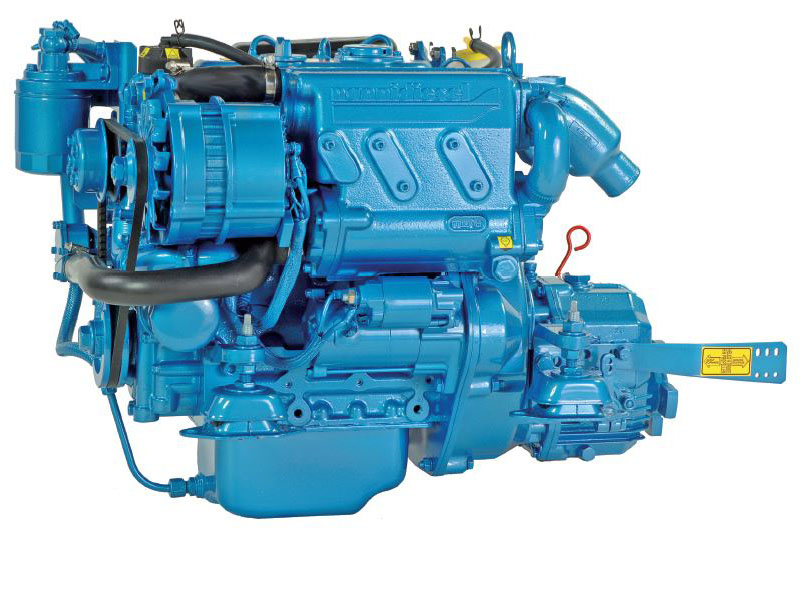
Is antifreeze coolant?
Extreme hot and cold temperatures can severely affect your engine, so when the seasons change, it’s a great idea to get refreshed on how to care for your engine’s cooling system properly. To maintain a functioning cooling system, you will need to use antifreeze and coolant. However, it can be confusing what the terms coolant and antifreeze mean and how they differ from each other – especially since many people use the terms interchangeably.
Is antifreeze coolant? Well, antifreeze and engine coolant are similar, but not the same. Antifreeze is a concentrated, glycol-based liquid that must be diluted with water before use, at which point it is referred to as coolant. Alternatively, you can purchase pre-mixed engine coolant, a ready-to-use solution of antifreeze and water.
Mainly consisting of ethylene glycol, antifreeze is used in an engine’s cooling system to enable trouble-free engine operation even in the most extreme, sub-zero weather. Ethylene Glycol prevents coolant liquid freezing within your radiator by lowering its freezing temperature, alongside lubricating the water pump and inhibiting corrosion.
Usually, it is mixed with a common ratio of 50:50. This is because antifreeze works best as a diluted liquid (making it a coolant) when combating temperatures of intense heat. With coolant in your car’s cooling system, the engine can be effectively regulated to the optimum temperature, all year round.
FACT: A common misconception is that the antifreeze is the part that helps with the cooling. This is wrong, consider the antifreeze as an additives package, whilst in fact, it is the water that actually does the cooling. This is why we do not recommend using products that claim to be waterless. For Nanni, this would invalidate any warranty and could pose dangerous conditions for the engine.
Antifreeze does not expire, but the additives that prevent engine corrosion do. As such, it’s recommended you replace your antifreeze in line with the manufacturer’s expiry guidelines.
Additionally, ethylene glycol is toxic to both humans and animals, so make sure to follow the manufacturer’s safety advice and disposal instructions carefully.
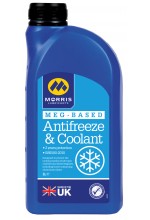
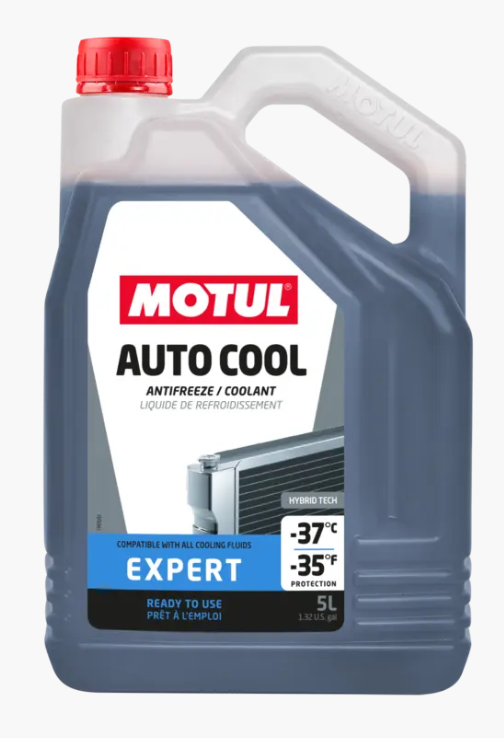
Mixing antifreeze and coolant
Can you mix the same type of coolants?
Always top up your engine cooling system with the same type and brand of coolant. If you’re unsure which to use, it is always best to follow the manufacturer’s recommendations or contact your mechanic/technician.
What about the colour of the coolant? Can I use this to identify what I need?
We do not advise you to mix coolants. A common misconception is that you can use colour to identify coolant type; however, multiple colours can be used to indicate one type of coolant, so we do not advise using the colour of the liquid solution as an indicator of coolant type.
What is the correct coolant and antifreeze for my engine?
The choice of antifreeze and its ready-to-use, water-mixed form, engine coolant, differs between engines. For Nanni, please see the Nanni Fluids and Oils page for more information on quantity.
What’s the correct antifreeze for my engine?
Multiple types of antifreeze are available, with each using a different type of corrosion inhibitor:
- AT (Inorganic Additive Technology) – Silicates
- OAT (Organic Acid Technology) – Organic Acids
- HOAT (Hybrid OAT, Phosphate-free) – NAP-free
- HOAT (Hybrid OAT) – Silicates and organic acids
- Si-OAT (Silicated HOAT) – Silicates and organic acids
- P-HOAT (Phosphated HOAT) – Phosphates and organic acids
If you are wondering which of these types of antifreeze is correct for your engine, always check your owner’s manual – every vehicle differs, and using the wrong type of antifreeze will likely cause expensive or irreversible damage to your engine. Nanni engines always require a Monoethylene Glycol, which comes under the OAT category of Antifreeze.
How to check and top up your engine coolant
It’s important to make sure that your engine has an adequate supply of engine coolant flowing around its cooling system.
That’s why it’s important to check your engine coolant level and top it up from time to time as water evaporates from the solution. Additionally, a low coolant level can be caused by a leak, so checking the level should be a regular task in your routine checks when onboard your boat.
How much engine coolant do I need?
Your engine’s coolant system will typically hold around 5-10 litres of coolant, though this can differ depending on the make and model of the engine, and whether you have a calorifier or not. You can find out the exact amount from the handbook or your engine dealer/manufacturer.
Engine coolants come in a range of bottle sizes, so you should be able to get hold of a pack for a full coolant change or quick top-up – whichever suits the maintenance job to hand.
Can you put normal water in coolant?
Yes, you can put water in coolant, with some caveats. First, you should only do so in an emergency, such as if you run low on coolant and your engine is overheating whilst underway. That’s because engine cooling systems are predominantly designed to run on a mixture of 50% antifreeze and 50% water. If the mixture is off, the performance of the system will be adversely affected.
You should also only use your engine to get you home or to safety, and then have your cooling system flushed through and examined to look for damage and leaks, and have fresh coolant poured back in its place.
It’s also important that you use the cleanest water available as well. Distilled is best; however, bottled or tap water can be used in absolute emergencies. The more impure the water source, and the longer you run the engine, the more likely that your cooling system will be hampered by mineral deposits. This is because, as the water heats up, just like in your kettle, calcium and other impurities within the water will, by chemical reaction, begin blocking the galleries, tubes, and passages that your cooling system uses to convey.

How often should engine coolant be changed?
While the exact timing depends on the make and model of the engine, engine coolant typically needs to be changed between two and three years for silicate coolants, or five years for coolants designed with specially extended drain intervals.
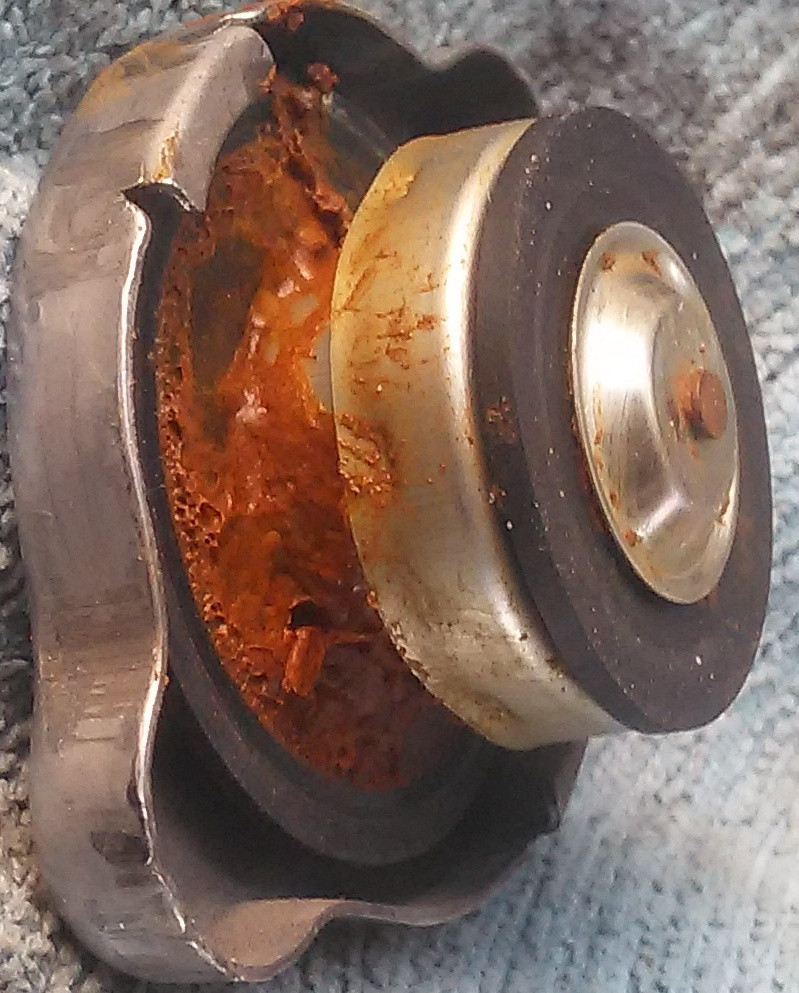
Coolant needs to be changed because, over time, its composition will change and the ingredients within it will deteriorate. Old coolant won’t protect the engine from overheating as well as new fluid, and other features like corrosion prevention can also be lost over time, putting the cooling system at risk.
To find out the specific coolant drainage interval for your engine, check your owner’s manual or talk to your mechanic.
Why does my engine coolant keep disappearing? Do I have a leak?
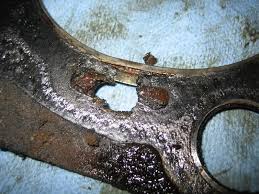
If you’ve checked your engine coolant and it keeps disappearing, as shown by a lowered reservoir/expansion level, and when looking in your heat exchanger filler neck, your cooling system could be leaking.
Coolant leaks can occur throughout the system. There may be a crack in one of your coolant hoses, an issue with your water pump, or your heat exchanger may have damaged seals, resulting in coolant loss through the raw water system, for example. The pressure cap or head gasket may also be broken. So it’s definitely something to keep an eye on and inspect as soon as you notice the above examples.
Coolant is toxic to people and wildlife, and a broken cooling system can put your boat at risk of breakdowns, so you need to fix the issue, fast. Always dispose of engine fluids in the correct way.
